

ICP DAS USA Helps Industrial Facilities Monitor Air Quality, Hazardous Gases, and Weather with Connected DLW Stations
News originally published by
EIN Presswire
DLW Series Mini Weather Stations and Hazardous Gas Detectors
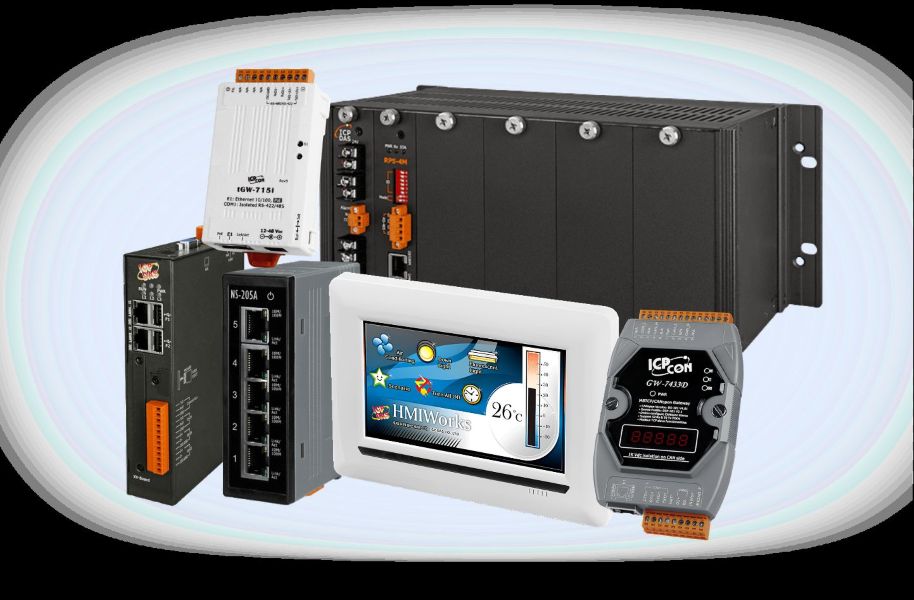
Industrial Automation and Data Acquisition

TouchPad Touch Screen Series
DLW-1100 and DLW-1120 environmental monitoring stations help manufacturers, utilities and facilities turn environmental measurements into actionable information
Designed for facilities where changing environmental conditions can affect equipment, personnel, and daily operations, the DLW-1100 and DLW-1120 enable organizations to collect environmental data and make it available to existing automation and remote monitoring systems.
Rather than relying on separate, disconnected monitoring instruments, operators can use the DLW Series to consolidate measurements, identify changing conditions, and support timely operational decisions.
"Industrial operators need more than environmental measurements. They need information that helps them make better decisions," said Maynard Greene, Marketing Specialist at ICP DAS USA. "Our DLW Series helps customers connect weather and air quality monitoring with their existing automation infrastructure, giving them greater visibility into conditions that can affect operations, equipment, and personnel."
Practical Environmental Monitoring for Industrial Applications
The DLW Series addresses monitoring challenges across several industries where environmental conditions directly influence operational performance.
Industrial Manufacturing — Monitor Dust and Air Quality
Manufacturing facilities can use the DLW Series to monitor airborne particulate concentrations, temperature, humidity, and weather conditions around production areas, material-handling operations, and facility perimeters.
Monitoring PM1, PM2.5, and PM10 provides useful information for identifying changing dust conditions and evaluating the effectiveness of dust-control measures.
By connecting measurements to a supervisory monitoring system, facility personnel can review environmental trends and investigate conditions that may require attention.
Water and Wastewater — Improve Visibility at Remote Facilities
Water treatment plants, wastewater facilities, and remote pumping stations frequently operate across geographically dispersed locations.
DLW stations can monitor rainfall, wind, temperature, humidity, and selected air quality parameters, helping operators understand environmental conditions around treatment facilities and pumping infrastructure.
For applications involving hydrogen sulfide (H₂S) or other hazardous gases, ICP DAS USA can help customers select appropriate gas-monitoring equipment based on the substances, concentration ranges, and safety requirements involved.
Combined with industrial controllers and remote communications, environmental data can support centralized monitoring across multiple facilities.
Energy and Utilities — Monitor Conditions at Critical Infrastructure
Solar farms, electrical substations, oil and gas facilities, and other energy installations are exposed to changing outdoor conditions.
The DLW Series measures wind speed, wind direction, rainfall, atmospheric pressure, temperature, and humidity, providing data that can support equipment inspections, site operations, and environmental monitoring programs.
Modbus and MQTT connectivity allow environmental measurements to be incorporated into compatible supervisory systems, giving operators access to site conditions alongside other operational information.
Agriculture — Support Smarter Growing and Irrigation Decisions
Greenhouses, livestock facilities, and large agricultural operations depend on environmental information to manage growing conditions and resource use.
DLW stations can monitor temperature, humidity, rainfall, sunlight, wind, and selected air quality parameters.
When integrated with compatible agricultural automation systems, these measurements can help operators evaluate irrigation requirements, monitor greenhouse conditions, and make more informed decisions about environmental controls.
Data Centers — Support Cooling and Facility Monitoring
Data center operators must maintain reliable cooling while managing energy consumption and equipment operating conditions.
Outdoor temperature, humidity, and other weather measurements can provide valuable inputs for evaluating ambient conditions and supporting cooling-system operations.
Integrated with compatible building management or supervisory control systems, DLW environmental data can help facility managers assess outdoor conditions relevant to economizer and free-cooling strategies.
Actual cooling-control decisions remain dependent on the facility's HVAC design, operating requirements, and control systems.
From Environmental Measurements to Actionable Data
The DLW-1100 and DLW-1120 provide weather-monitoring capabilities, onboard data logging, and industrial communication interfaces. Product configurations also support air quality and particulate monitoring, including measurements of PM1, PM2.5, PM10, and selected gases.
Both models support:
• Modbus RTU, Modbus TCP, and MQTT: Connect environmental measurements to compatible industrial controllers, SCADA platforms, and Industrial IoT systems.
• Ethernet, RS-485, and Power over Ethernet: Provide flexible communication and power options for different installation environments.
• Onboard data logging: Retain environmental measurements for historical review and trend analysis.
• Four PhotoMOS relay outputs: Support local signaling and configured alarm-related functions.
• Outdoor mounting options: Accommodate wall-mounted and pole-mounted installations.
These capabilities allow system integrators to incorporate environmental monitoring into existing industrial networks without requiring a separate monitoring platform for every measurement.
Choosing the Right DLW Monitoring Station
The DLW-1100 and DLW-1120 share several important monitoring and communications capabilities but differ in their physical designs and documented sensor specifications.
The DLW-1100 is suited to applications requiring connected weather monitoring and integration with industrial automation systems.
The DLW-1120 provides documented carbon monoxide and particulate measurement specifications, making it an option for applications where these measurements are required.
Customers should select a model based on the specific gases and environmental parameters they need to measure, required measurement ranges, mounting conditions, and system integration requirements.
ICP DAS USA's technical specialists can assist with comparing models and identifying appropriate configurations for each application.
Environmental Monitoring That Works with Existing Automation Systems
One advantage of the DLW Series is its support for established industrial communications protocols.
Modbus RTU, Modbus TCP, and MQTT allow customers and system integrators to connect environmental measurements with compatible PLCs, SCADA systems, industrial gateways, and Industrial IoT platforms.
This approach supports centralized monitoring, configurable alarm workflows, and historical data analysis while allowing facilities to build on existing automation investments.
Talk to ICP DAS USA About Your Monitoring Requirements
Whether planning a new environmental monitoring installation or expanding an existing industrial automation system, ICP DAS USA can help identify suitable monitoring equipment and integration options.
Contact the ICP DAS USA Sales and Technical team for:
• Application-specific product recommendations
• DLW-1100 and DLW-1120 model comparisons
• Gas and particulate monitoring requirements
• SCADA, PLC, and Industrial IoT integration assistance
• Product pricing, availability, and project quotations
Request a DLW Environmental Monitoring Consultation & Quote:
Explore the products:
DLW-1100 Smart Weather Monitoring Station
DLW-1120 Air Quality and Environmental Monitoring Station
Maynard Greene
ICP DAS USA Inc.
+1 888-971-9998
Visit us on social media:
LinkedIn
Instagram
YouTube
X
Data Center Cooling Explained (Free Cooling + Weather Stations)
Legal Disclaimer:
EIN Presswire provides this news content "as is" without warranty of any kind. We do not accept any responsibility or liability for the accuracy, content, images, videos, licenses, completeness, legality, or reliability of the information contained in this article. If you have any complaints or copyright issues related to this article, kindly contact the author above.
