
Jaymar Roofing Examines How Excessive Roof Coating Thickness Can Affect Curing, Adhesion and Long-Term Performance
News originally published by
EIN Presswire
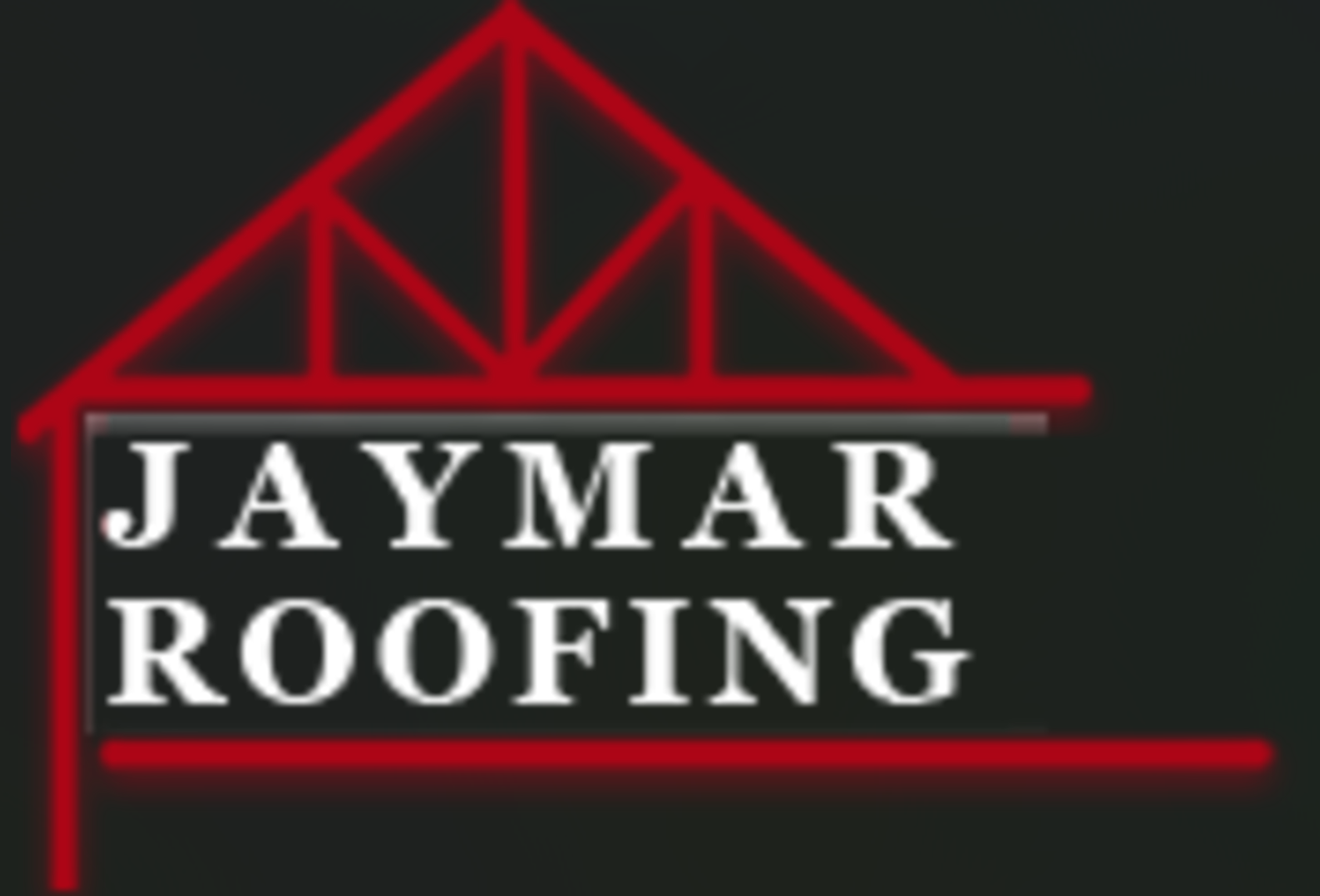
Roof coating performance depends on applying the material according to the manufacturer's requirements, not simply applying the greatest possible amount”
SLIDELL, LA, UNITED STATES, November 19, 2026 /EINPresswire.com/ -- Applying a protective coating to a commercial roofing system requires careful attention to material specifications, surface preparation, environmental conditions, and application thickness. Although roof coatings are designed to form a protective membrane, applying more material than recommended does not necessarily improve the finished system.— Jules Albert III
Jaymar Roofing in Slidell, Louisiana, is examining the potential consequences of excessive roof coating thickness and the importance of following manufacturer-established application requirements.
Commercial roof coatings are available in several formulations, including acrylic, silicone, polyurethane, and other specialized materials. These products differ in their chemical composition, application procedures, curing mechanisms, and intended uses.
Manufacturers typically specify acceptable application rates and thickness requirements based on the coating system and substrate conditions.
Exceeding those requirements can create problems that may not become visible until after the application has begun curing.
Understanding Roof Coating Thickness
Roof coating thickness is commonly measured in mils, with one mil representing one-thousandth of an inch.
Manufacturers may specify wet film thickness, dry film thickness, or both.
Wet film thickness refers to the coating immediately after application, before the material has completed its drying or curing process.
Dry film thickness describes the resulting coating after that process.
The relationship between these measurements depends on the product's solids content and other formulation characteristics.
Contractors must account for these differences when determining how much material to apply.
"Roof coating performance depends on applying the material according to the manufacturer's requirements, not simply applying the greatest possible amount," said Jules Albert III, owner of Jaymar Roofing in Slidell, Louisiana. "Excessive thickness can create problems with curing and the finished coating, depending on the product. Proper application involves understanding the material, the roof surface, and the specified coverage rates."
How Excessive Thickness Can Affect Curing
Different roof coatings cure through different processes.
Some products release water or solvents as they dry. Others undergo chemical reactions involving atmospheric moisture or multiple components.
When certain coatings are applied excessively thick, the outer surface may begin forming a film while material underneath remains insufficiently dried or cured.
This can delay the overall curing process.
The extent of the problem depends on the formulation, environmental conditions, and thickness of the applied material.
Excessive application does not affect every coating in the same way, making product-specific instructions essential.
Blistering and Surface Defects
One possible consequence of improper coating application is the formation of blisters or other surface irregularities.
In some coating systems, trapped moisture, solvents, or gases can contribute to blister formation.
Excessive thickness may increase the likelihood of these problems under certain conditions.
However, blistering can also result from substrate moisture, inadequate surface preparation, or other application-related factors.
Surface defects should therefore be evaluated rather than automatically attributed to a single cause.
Wrinkling, sagging, and uneven film formation may also occur with particular products when application limits are exceeded.
Adhesion and Substrate Conditions
Coating adhesion depends on several factors, including substrate compatibility, surface cleanliness, preparation methods, and environmental conditions.
Applying a thicker coating does not compensate for inadequate preparation.
Dirt, grease, loose material, moisture, and incompatible existing coatings can interfere with adhesion.
Some systems require primers or specific preparation procedures before application.
When excessive thickness occurs alongside poor adhesion, the resulting defects may become more difficult to correct.
Proper installation requires attention to both the condition of the existing roof and the coating manufacturer's instructions.
The Importance of Multiple Coats
Some roof coating systems are designed to achieve their required total thickness through multiple applications.
Rather than placing the entire specified amount in one heavy coat, manufacturers may require separate coats with defined drying or curing intervals.
This approach can help establish appropriate film formation and coverage.
However, the number of coats and application intervals vary by product.
Certain coatings are designed for relatively high-build applications, while others have stricter limits for each coat.
Contractors should not assume that one application method is suitable for every coating formulation.
Environmental Conditions During Application
Temperature, humidity, wind, and the possibility of rainfall can influence roof coating application.
Water-based coatings may dry more slowly under cool or humid conditions.
Other formulations have different temperature and moisture requirements.
Excessive film thickness can complicate drying or curing when environmental conditions are already unfavorable.
Manufacturers establish application windows and restrictions to address these factors.
Weather conditions should be considered before work begins and throughout the application process.
Measuring and Verifying Coating Thickness
Application thickness can be evaluated using appropriate measurement methods.
Wet film gauges may be used during installation to check the amount of material being applied.
Dry film thickness measurement methods depend on the coating and underlying substrate.
Material consumption records can also help contractors compare actual coverage with specified application rates.
These methods provide information about whether the coating is being installed within the intended requirements.
Addressing Excessive Application
When a coating has been applied too thickly, the appropriate corrective action depends on the product and observed condition.
Some situations may require additional curing time and evaluation.
Others may involve removal of defective material and reapplication according to manufacturer guidance.
Applying another layer without investigating the existing condition may compound the problem.
The appropriate response should be based on technical evaluation and product-specific recommendations.
Long-Term Roofing Considerations
Commercial roof coatings require proper application and periodic maintenance to perform as intended.
Excessive thickness can create avoidable complications in some systems, while insufficient thickness may leave the finished membrane below its specified requirements.
Neither condition should be evaluated solely by appearance.
Roof coating installation depends on achieving the appropriate thickness through approved preparation and application procedures.
Understanding the relationship between material quantity, curing behavior, and substrate conditions helps explain why coating specifications remain important throughout commercial roofing projects.
Morgan Thomas
Rhino Digital, LLC
+1 504-875-5036
Visit us on social media:
Facebook
Legal Disclaimer:
EIN Presswire provides this news content "as is" without warranty of any kind. We do not accept any responsibility or liability for the accuracy, content, images, videos, licenses, completeness, legality, or reliability of the information contained in this article. If you have any complaints or copyright issues related to this article, kindly contact the author above.
